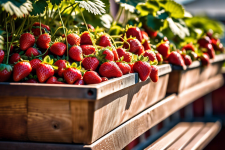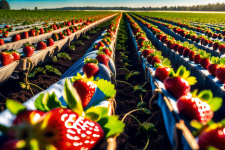


Crop rotation is an essential agricultural technique that involves the systematic planting of different crops, such as strawberries, in a particular field each growing season. The importance of crop rotation for preventing diseases in strawberries cannot be overemphasized. Here are some reasons why crop rotation is essential:
1. Prevents soil-borne diseases: Soil-borne diseases such as Phytophthora root rot, verticillium wilt, and nematodes can persist in the soil for years, and once they infect strawberry plants, they can quickly spread and cause significant damage. By rotating different crops, the pathogens that cause these diseases are starved of their preferred host plant and eventually die off, reducing the risk of infections.
2. Promotes soil health: Crop rotation helps maintain soil health by improving soil structure, increasing soil fertility, and reducing soil erosion. Rotating crops such as legumes, cover crops, or grains helps in fixing nitrogen into the soil and replenishing humus. This, in turn, creates a more favorable environment for beneficial soil microorganisms that help fight plant diseases.
3. Reduces pesticide use: Continuous planting of the same crop can increase the likelihood of pest infestations, which can lead to excessive pesticide use. By rotating crops, pest populations are disrupted, reducing the need for chemical control measures.
4. Promotes sustainable farming practices: Crop rotation is a sustainable farming practice that promotes long-term soil and plant health. It reduces reliance on synthetic fertilizers and pesticides and also reduces the costs associated with managing crop diseases.
In summary, crop rotation is an important cultural practice that should be incorporated into strawberry farming to reduce the risk of plant diseases, promote soil health, improve soil fertility, and enhance sustainable farming practices.

 Loading...